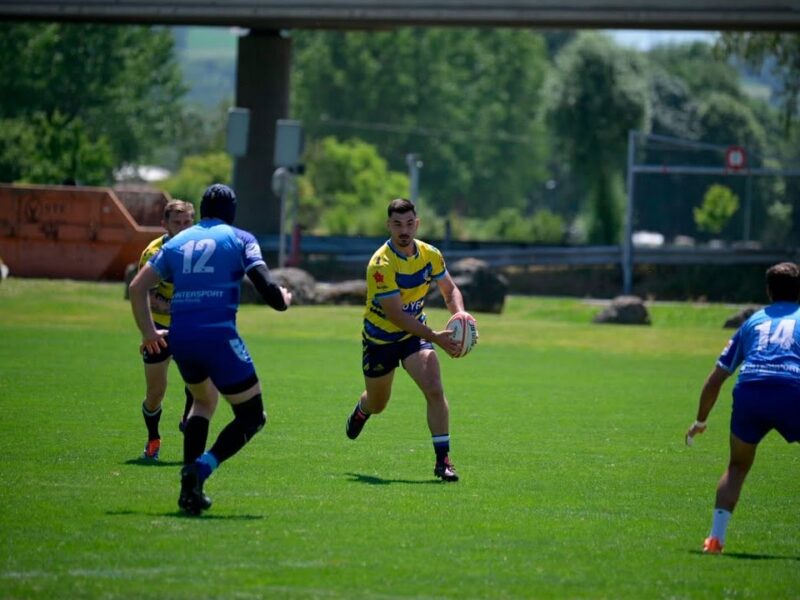



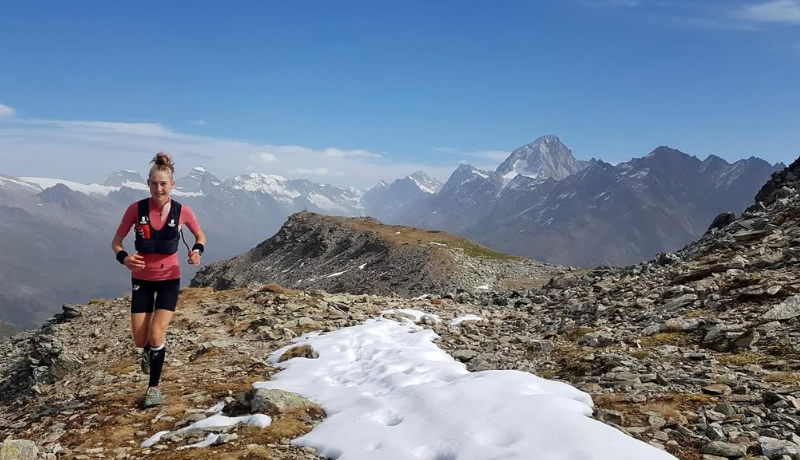
You train regularly, yet your performance has stalled despite a well-structured programme? You’re recovering more slowly, feeling unusually tired, or getting out of breath more quickly during exercise? For many athletes, iron deficiency may be the cause – even without anaemia.
Often underestimated, iron deficiency is nevertheless common among endurance athletes and female athletes. Yet iron plays an essential role in oxygen transport, energy production, and healthy muscle function. Quietly, iron deficiency undermines energy and performance, capable of limiting recovery, training adaptation, and athletic progress – and can affect overall health more broadly.
Why Are Athletes More Prone to Iron Deficiency?
Iron is an essential trace element obtained through diet. It is found mainly in red blood cells, where it enables oxygen transport to the muscles and organs.
Intense training alters iron metabolism and increases the risk of deficiency. Endurance athletes and female athletes are particularly affected. This vulnerability is explained by several mechanisms, linked both to the body’s adaptations to exertion and to the increased iron losses and requirements caused by sports practice.
Greater Iron Losses
Regular physical activity naturally increases iron losses:
- Repeated impact, particularly in runners, can destroy some red blood cells (exercise-induced haemolysis);
- During prolonged effort, blood flow is prioritised toward the muscles, which can temporarily weaken the intestinal lining and promote micro-bleeding;
- A small amount of iron is also lost through sweat;
- In women, menstrual losses add to these mechanisms.
Increased Requirements
Training stimulates red blood cell production to improve oxygen transport. This adaptation increases iron requirements. They are even higher during a stay or training camp at altitude, where the body must produce more red blood cells to adapt to lower oxygen levels.
Insufficient Intake
Athletes’ diets are often geared toward carbohydrates and easily digestible foods, which can reduce the intake of well-absorbed iron sources such as red meat.
Physiological Responses to Training
After intense exercise, the body triggers a mild inflammatory response that temporarily increases the production of hepcidin, a hormone that reduces intestinal iron absorption. In athletes who train frequently, this can make it harder to rebuild iron stores.
Intense physical effort also increases oxidative stress, a phenomenon linked to the production of free radicals – molecules naturally generated during physical activity. In moderate amounts, they contribute to beneficial training adaptations. However, when produced in excess, they can damage certain cells, particularly red blood cells, which can further increase iron requirements in people who train regularly.
What Are the Signs of Iron Deficiency in Athletes?
Iron deficiency does not always cause anaemia. Even when haemoglobin levels remain normal, insufficient iron stores can already produce symptoms such as:
- Unusual fatigue;
- An unexplained drop in performance;
- Slower recovery;
- Faster breathlessness during exercise;
- A higher heart rate for the same exercise intensity;
- Reduced motivation or ability to sustain training.
These signs are often wrongly attributed to overtraining or lack of sleep, but can be early indicators of iron deficiency in athletes.
Is Diet Alone Enough to Cover an Athlete’s Iron Needs?
A varied, balanced diet is the first step in preventing iron deficiency. However, for some athletes, it is not always enough to offset the losses and increased needs linked to training.
Dietary iron is only partially absorbed by the body: on average, around 10% of consumed iron is utilised. This bioavailability – the body’s ability to absorb and use iron – depends largely on its form. Haem iron, found in animal products, is generally better absorbed than non-haem iron, mainly derived from plant sources. In addition, certain dietary components can limit absorption, such as phytates in whole grains, polyphenols in tea and coffee, or calcium.
Certain dietary patterns, such as vegetarian or vegan diets, or diets very high in carbohydrates but low in well-absorbed iron sources, can therefore make it more difficult to maintain adequate iron stores.
Ferritin in Athletes: What Levels Should Be Targeted?
Ferritin is the main marker of the body’s iron stores. In the general population, a ferritin level below 30 µg/L is generally associated with insufficient iron stores. Between 30 and 50 µg/L, some individuals may still experience symptoms of iron deficiency. Above 50 µg/L, iron stores are considered sufficient.
In athletes, and particularly endurance athletes, many medical teams commonly aim for values above 50 µg/L to support training adaptations, recovery, and performance. Adequate stores are also especially important before an altitude training camp. It should nonetheless be noted that, to date, there is no international consensus on a single target threshold for all athletes.
Regular blood testing, particularly in athletes most at risk, allows early identification of a deficiency and appropriate adjustment of care.
When Does Iron Supplementation Become Necessary?
When dietary intake is insufficient to meet needs, or iron stores are low, supplementation may be suggested by a healthcare professional.
Conventional iron salts (ferrous sulfate, fumarate, or gluconate) are widely used but can be difficult to tolerate due to digestive side effects, which may limit treatment adherence. In cases of significant deficiency, intolerance, or failure of oral treatment, intravenous supplementation may be considered. However, it requires medical supervision and can cause adverse effects, including infusion reactions and, more rarely, severe allergic reactions. It is also more demanding and costly to administer than oral iron.
Given these limitations, iron forms offering high bioavailability (absorption) and good digestive tolerance are of real interest. Well-tolerated oral supplementation supports regular intake – a key factor, since correcting iron deficiency and rebuilding stores generally takes several weeks to months. In this context, innovative nutritional solutions have been developed to combine good iron bioavailability with excellent digestive tolerance.
This is notably the case for SPIRUL-1® by Pharmalp, a natural source of iron whose efficacy, absorption, and good tolerance have been demonstrated in several studies.
The Three Pillars of Good Prevention Against Iron Deficiency
Pour préserver des réserves en fer adaptées aux exigences de l’entraînement, trois mesures sont To maintain iron stores suited to the demands of training, three measures are essential:
- Regularly monitor iron status, particularly in at-risk athletes;
- Adopt a diet that covers the needs linked to sports practice;
- If necessary, and on the advice of a healthcare professional, use a bioavailable, well-tolerated form of iron supplementation.
Because an optimal iron status contributes fully to performance, recovery, and well-being, it deserves particular attention throughout the sporting season.
Dr Simone Troxler
Main sources:
- Clenin, G., Cordes, M., Huber, A., Schumacher, Y., Noack, P., Scales, J., & Kriemler, S. (2015). Iron deficiency in sports—Definition,. Swiss Medical Weekly,145(4344). doi:https://doi.org/10.4414/smw.2015.14196
- Curvat, D. (2013). mpact d'une carence martiale sans anémie sur la performance sportive, intérêt d'une supplémentation ?. Sciences pharmaceutiques. 2013. Retrieved from https://dumas.ccsd.cnrs.fr/dumas-00838046
- Pantopoulos, K. (2024, September). Oral iron supplementation: new formulations, old questions. 109(9). doi:https://doi.org/10.3324/haematol.2024.284967
- Peeling, P. S. (2014). Iron status and the acute post-exercise hepcidin response in athletes. PloS one, 9(3). doi:https://doi.org/10.1371/journal.pone.0093002
- Šmid, A. N. (2024). Effects of Oral Iron Supplementation on Blood Iron Status in Athletes: A Systematic Review, Meta-Analysis and Meta-Regression of Randomized Controlled Trials. 54(5), 1231–1247.doi:https://doi.org/10.1007/s40279-024-01992-8
- Solberg, A., & Reikvam, H. (2023). Iron Status and Physical Performance. Life, 13(10). doi:https://doi.org/10.3390/life13102007
- Tolkien Z, S. L. (2015). Ferrous Sulfate Supplementation Causes Significant Gastrointestinal Side-Effects in Adults: A Systematic Review and Meta-Analysis. PLoS ONE, 10(2). doi:https://doi.org/10.1371/journal.pone.0117383
Frequently Asked Questions
What is iron deficiency in athletes?
It refers to insufficient iron stores in the body, even without anaemia. It particularly affects endurance athletes and female athletes, as intense training alters iron metabolism and increases both losses and requirements.
What are the signs of iron deficiency in athletes?
Unusual fatigue, unexplained drop in performance, slower recovery, faster breathlessness during exercise, a higher heart rate for the same intensity, and reduced motivation. These signs are often wrongly attributed to overtraining.
Why are athletes more prone to iron deficiency?
They lose more iron (exercise-induced haemolysis, intestinal micro-bleeding, sweat losses, and menstrual losses in women) and have increased requirements due to training-induced red blood cell production, particularly at altitude.
What ferritin level should athletes aim for?
A ferritin level below 30 µg/L is associated with insufficient stores, while above 50 µg/L stores are considered sufficient. In endurance athletes, medical teams often aim for values above 50 µg/L, though there is no single international consensus threshold.
Is diet enough to cover an athlete’s iron needs?
Not always: only around 10% of dietary iron is absorbed, and certain diets (vegetarian, vegan, high-carbohydrate) can make it harder to maintain adequate stores.
When is iron supplementation necessary?
When diet does not cover needs or stores are insufficient, a healthcare professional may suggest supplementation, ideally using a well-tolerated form that supports regular intake.
How can athletes prevent iron deficiency?
Three measures: regularly monitor iron status through blood testing, adopt a diet that covers sport-related needs, and if necessary, on the advice of a healthcare professional, use a bioavailable, well-tolerated supplementation.